7 Indian Temples and the Fascinating Stories Behind Their Unique Prasads
- Discover the unique prasads offered at seven iconic Indian temples.
- Learn about the cultural significance and stories behind these prasads.
- Explore how these offerings reflect the rich traditions of Indian spirituality.
- Understand the historical context and legends associated with each temple’s prasad.
India is a land rich in culture, spirituality, and tradition, with temples serving as the heart of its religious practices. Each temple not only stands as a place of worship but also as a repository of fascinating stories and unique prasads that are offered to devotees. These prasads often carry deep significance, reflecting the temple’s history, the deity’s attributes, and the local customs.
This article delves into seven Indian temples and the intriguing tales behind their unique prasads, showcasing how these offerings contribute to the spiritual experience of millions of devotees every year.
Continue Reading
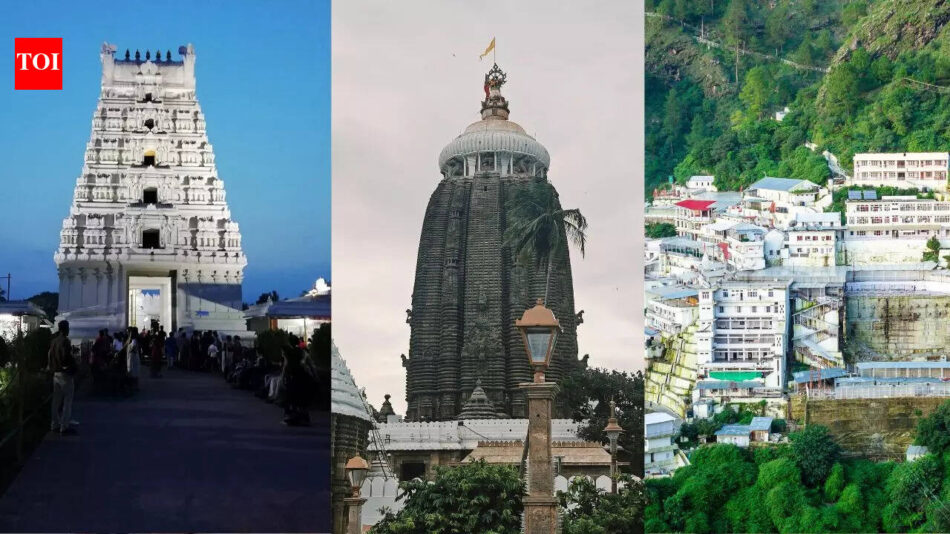
1. Vaishno Devi, Katra
The holy shrine of Vaishno Devi in Katra, Jammu, attracts millions of pilgrims annually. The prasad offerings here consist of a mix of puffed rice, sugar balls, dried apple, and coconut, accompanied by a silver coin engraved with the image of Vaishno Devi. This unique offering, known as Bhaints, adheres to a strict vegetarian and sattvik tradition, distinguishing it from the practices of other Shaktipeethas. The temple’s commitment to purity in offerings reflects its deep-rooted spiritual values.
2. Jagannath Temple, Puri
At the Jagannath Temple in Puri, the Mahaprasad is revered as Anna Brahma. Daily, 56 dishes are prepared in large clay pots over wood fires, and the food is believed to possess divine qualities. A legend suggests that King Indradyumna’s pots could multiply food, ensuring that all devotees, regardless of caste, could partake in the offerings. The aroma of the food transforms after being offered to the Lord, symbolizing the divine blessing bestowed upon it.
3. Tirupati Balaji: Laddu
The famous laddu prasad at the Tirumala Venkateswara Temple in Andhra Pradesh has a legendary origin linked to sage Vyasatirtha, who dreamt of the deity desiring sweet balls made from ghee, gram flour, and sugar. This prasad is not only a symbol of devotion but is also believed to alleviate financial troubles for those who partake in it. The laddus serve as a reminder of the divine connection between the devotee and Lord Vishnu.
4. Sabarimala Ayyappa: Appam
In Kerala’s Sabarimala, the offering of appam—crispy rice pancakes filled with sweet coconut and jaggery—holds significant meaning. This prasad is associated with the warrior god Ayyappa, who embodies strength and resilience. Pilgrims undertake a 41-day vow, and the appams symbolize the sustenance and spiritual nourishment required for their arduous journey to the temple.
5. Ambalapuzha Krishna: Palpayasam
The Ambalapuzha Sri Krishna Temple in Kerala is famous for its palpayasam, a milky rice pudding. The origin of this prasad dates back to a 17th-century king’s dream, where Krishna, disguised as a Brahmin, requested the dish during a famine. The legend states that an eternal pot of palpayasam continuously boils, signifying the divine presence and the importance of sharing resources with the needy.
6. Madurai Meenakshi: Pottukadalai Halwa
Madurai’s Meenakshi Temple serves a unique prasad known as Kaja halwa, made from black gram. This offering is linked to the goddess Meenakshi’s victory over the demon fish army. Artisans believe that the deity blessed their cooking during times of drought, and the halwa’s melt-in-mouth texture represents the divine nectar that dissolves ego and fosters humility among devotees.
7. Vaitheeswaran Koil: Panchamirtam
At Vaitheeswaran Koil in Tamil Nadu, the prasad known as panchamirtam—a blend of banana, jaggery, ghee, honey, and cardamom—is offered to Lord Shiva. This offering is steeped in lore, recounting how sage Valmiki was cured of leprosy at this site. The panchamirtam is believed to carry the essence of immortality, symbolizing the healing power of divine blessings.
8. Chinese Kali Mandir, Kolkata
Located in Kolkata’s Chinatown, the Chinese Kali Mandir offers a unique bhog of Chinese noodles, chop suey, and vegetable dishes. This temple exemplifies cultural assimilation and unity, showcasing how diverse communities can come together in worship. The offerings reflect the temple’s commitment to inclusivity and the celebration of shared values among different cultures.
Frequently Asked Questions
Prasad is a religious offering made to deities in Hindu temples, which is then distributed to devotees as a blessing. It symbolizes the divine grace and is consumed as a sacred food.
Different prasads often incorporate local ingredients and culinary traditions, reflecting the cultural identity of the region. Each temple’s prasad tells a story that connects it to the local heritage.
Prasads are significant as they represent the devotee’s offering to the deity and serve as a medium of divine connection. Consuming prasad is believed to bring blessings and spiritual merit.
</div