ASI Flags Pre-Existing Structure At MP’s Bhojshala; Hindu Front Claims Evidence Of Ancient Temple
The Archaeological Survey of India (ASI) has recently flagged the presence of a pre-existing structure at Bhojshala in Madhya Pradesh, igniting a significant debate over the site’s historical and cultural significance. This revelation comes amidst ongoing claims from Hindu groups asserting that the location was originally a temple.
As the situation unfolds, the implications of these findings could have far-reaching effects on the community and the broader discourse surrounding religious heritage in India. This article delves into the details of the ASI’s findings and the reactions from various stakeholders.
Continue Reading
Background of Bhojshala
Bhojshala, located in Dhar district of Madhya Pradesh, is a site of historical significance that has been the center of contention between Hindu and Muslim communities for decades. It is believed to have been built during the reign of Raja Bhoj in the 11th century and has been identified as a place of worship for both Hindus and Muslims.
ASI’s Recent Findings
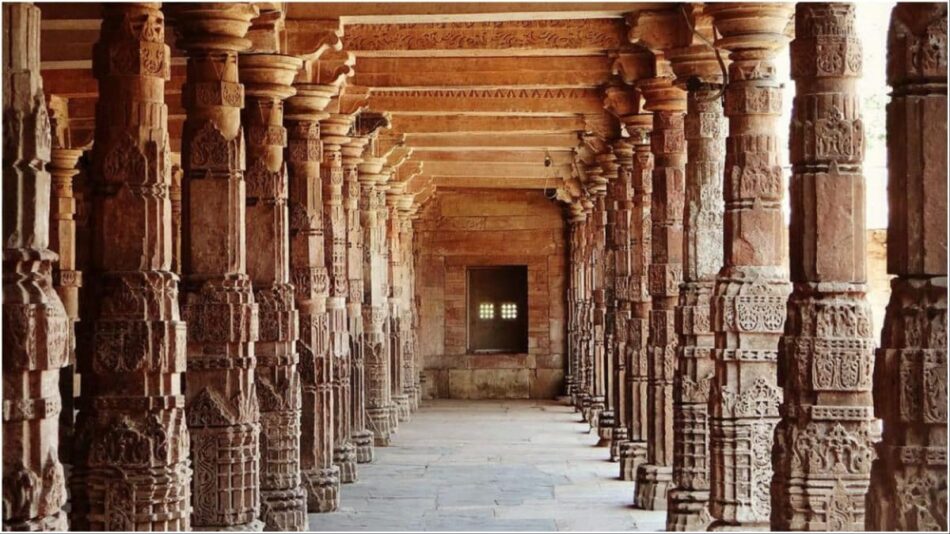
The ASI’s recent investigation into the Bhojshala complex has led to the discovery of architectural remnants that suggest the existence of a structure predating the current mosque. This finding is critical as it may provide evidence supporting the claims of Hindu groups who argue that the site was originally a temple dedicated to Goddess Saraswati.
- The ASI conducted a detailed survey and excavation at the site.
- Initial reports indicate the presence of stone carvings and other artifacts typical of Hindu temple architecture.
- These findings have been documented in a report submitted to the Madhya Pradesh High Court.
Reactions from Hindu Groups
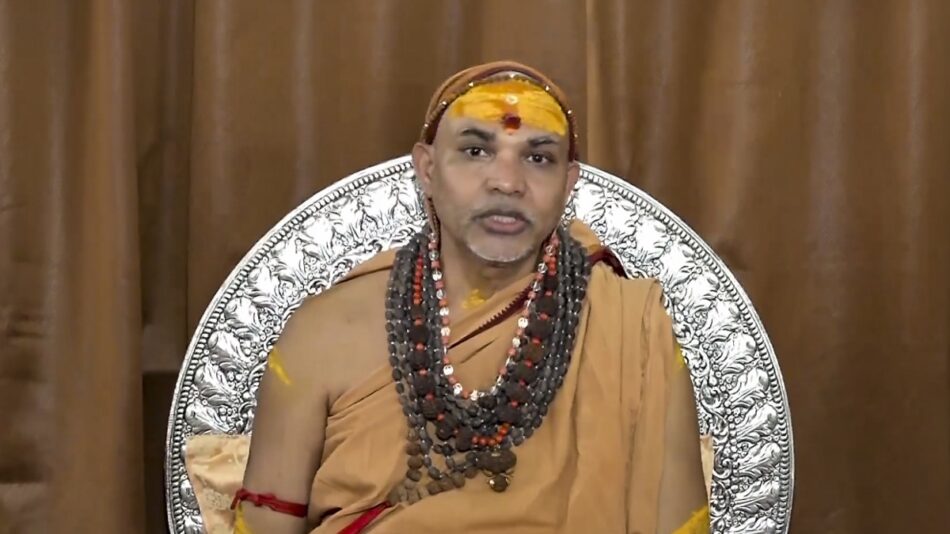
In light of the ASI’s findings, various Hindu organizations have expressed their satisfaction and have called for the recognition of Bhojshala as a historical temple site. They argue that the evidence presented by the ASI validates their long-standing claims.
Notable points from Hindu groups include:
- Demand for the restoration of the site as a temple.
- Calls for government intervention to acknowledge the historical significance of the findings.
- Plans to mobilize public support for the cause, including rallies and awareness campaigns.
Muslim Community’s Perspective
Conversely, the Muslim community has expressed concerns regarding the ASI’s findings, fearing that it may lead to further communal tensions. They emphasize the importance of maintaining the status quo and preserving the site’s current identity as a mosque.
Key concerns raised by the Muslim community include:
- Fear of potential legal disputes over the site.
- Concerns about the impact on communal harmony in the region.
- Calls for a thorough and unbiased investigation into the historical claims associated with Bhojshala.
Legal Proceedings and Government Response
The ASI’s findings have prompted legal proceedings in the Madhya Pradesh High Court, where both Hindu and Muslim groups are presenting their cases. The court’s decision could set a precedent for how similar disputes are handled in the future.
The government has remained cautious, urging both communities to engage in dialogue and seek a peaceful resolution. Officials have stated that they will await the court’s ruling before making any decisions regarding the site’s future.
Implications for Cultural Heritage
The situation at Bhojshala highlights the complexities surrounding cultural heritage in India, where historical narratives are often intertwined with contemporary religious identities. The ASI’s findings may not only influence the specific case of Bhojshala but could also set a broader precedent for how historical sites are interpreted and preserved.
- Potential for increased archaeological research in contested sites.
- Implications for heritage conservation policies in India.
- Need for inclusive dialogues that respect diverse historical narratives.
Frequently Asked Questions
Bhojshala is known for its historical significance as a site of worship for both Hindus and Muslims, with claims of being an ancient temple dedicated to Goddess Saraswati.
The ASI found architectural remnants and artifacts that suggest the existence of a pre-existing structure, which may support claims of the site being an ancient temple.
The implications include potential legal disputes, increased archaeological interest, and the need for inclusive dialogues regarding cultural heritage in India.
Note: The ongoing developments at Bhojshala reflect the intricate relationship between history, culture, and religion in India, underscoring the need for careful consideration in addressing such sensitive issues.