GW Professor Explains Buddhism and the ‘Walk for Peace’ Monks After 2,300-Mile Journey
The recent 2,300-mile journey undertaken by Buddhist monks as part of the ‘Walk for Peace’ has captured the attention of many, culminating in a gathering in Washington, D.C. This event not only highlighted their message of peace but also provided an opportunity to delve deeper into the teachings of Buddhism.
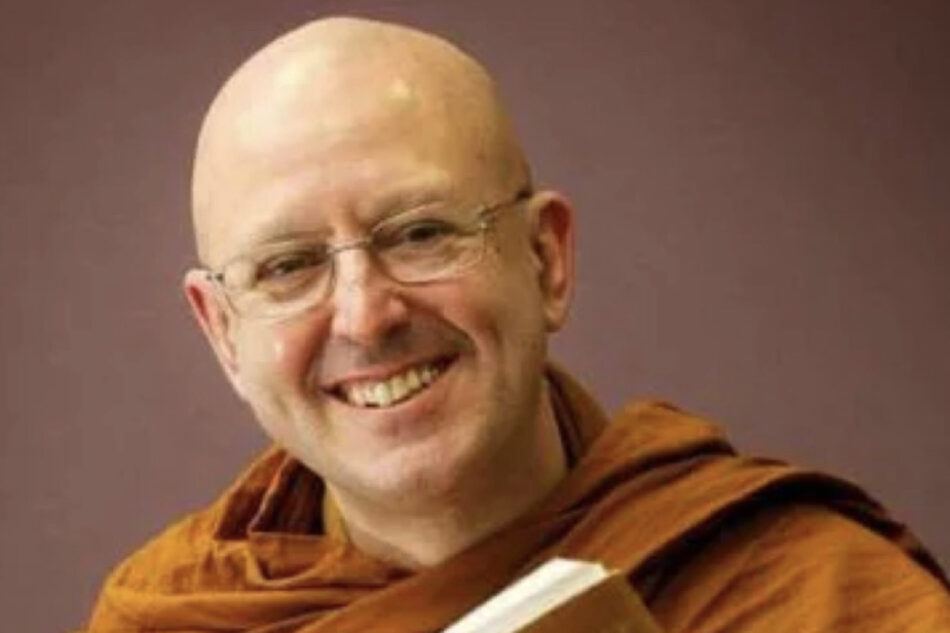
Dr. Eyal Aviv, a professor at George Washington University specializing in Buddhism, offered insights into the significance of this journey and the core principles of Buddhism, distinguishing it from other faiths.
Continue Reading
Understanding Buddhism
Buddhism is a spiritual tradition that originated in India over 2,000 years ago. It has since spread across various regions, including Southeast Asia, East Asia, and Central Asia, eventually reaching a global audience. Unlike many Western religions, Buddhism does not primarily center around the worship of a deity. Instead, it focuses on the alleviation of suffering and the liberation of sentient beings.
Key Differences from Other Faiths
One of the fundamental distinctions between Buddhism and other religious traditions is its approach to metaphysics and faith. In Buddhism:
- The emphasis is placed on personal experience and insight rather than on faith in a deity.
- Questions regarding the existence of a god are often considered secondary to the primary goal of reducing suffering.
- Buddhism encourages individuals to seek their own understanding through practices such as meditation and mindfulness.
The ‘Walk for Peace’ Journey
The ‘Walk for Peace’ initiative involved a group of monks traveling over 2,300 miles to promote messages of peace and happiness. This journey, which lasted more than 100 days, served as a powerful reminder of the importance of compassion and understanding in today’s world.
Objectives of the Walk
The monks aimed to:
- Raise awareness about the importance of peace in communities.
- Encourage dialogue and understanding among diverse groups.
- Promote mindfulness and meditation as tools for personal and collective peace.
Insights from Dr. Eyal Aviv
Dr. Aviv shared valuable insights regarding the monks’ mission and the broader implications of their journey. He emphasized that the teachings of Buddhism are particularly relevant in contemporary society, where conflict and misunderstanding are prevalent.
Core Teachings of Buddhism
Some of the core teachings that Dr. Aviv highlighted include:
- The Four Noble Truths: These truths outline the nature of suffering and the path to liberation.
- The Eightfold Path: This is a guide for ethical and mental development with the goal of freeing individuals from attachments and delusions.
- Mindfulness and Meditation: Practices that help individuals cultivate awareness and presence, leading to deeper understanding and compassion.
Community Impact
The gathering in Washington, D.C., where thousands came to hear the monks speak, showcased the impact of their message. It served as a platform for community members to engage with the teachings of Buddhism and reflect on how they can incorporate these principles into their lives.
Engagement with the Public
The monks’ presence encouraged:
- Increased interest in Buddhist practices among attendees.
- Opportunities for interfaith dialogue and collaboration.
- Community initiatives aimed at fostering peace and understanding.
Frequently Asked Questions
Buddhism is centered around the Four Noble Truths, which address the nature of suffering and the path to liberation. It emphasizes personal experience, mindfulness, and ethical living.
Unlike many Western religions, Buddhism does not focus on the worship of a deity. Instead, it prioritizes the alleviation of suffering and personal spiritual development.
The ‘Walk for Peace’ serves to promote messages of compassion and understanding, encouraging communities to engage in dialogue and mindfulness practices.
Note: This article highlights the teachings of Buddhism and the significance of the ‘Walk for Peace’ initiative, emphasizing the need for compassion and understanding in today’s world.