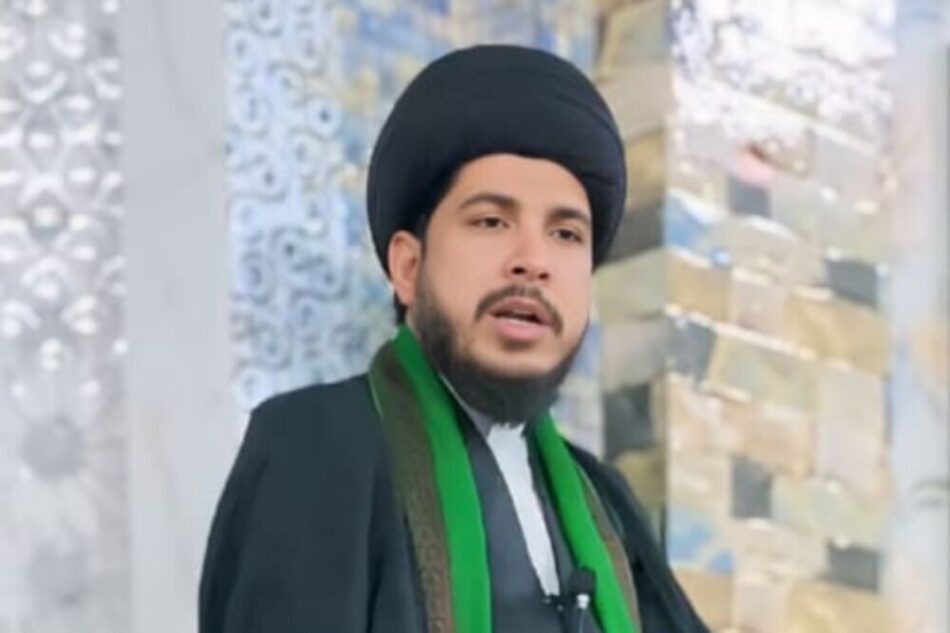
Indian Shia Cleric: Final Days of Sha’ban a Golden Opportunity for Spiritual Renewal Before Ramadan
The closing days of the lunar month of Sha’ban present a vital opportunity for spiritual renewal and preparation for the holy month of Ramadan, according to a prominent Indian Shia cleric. Hojatoleslam Sayyid Naqi Mehdi Zaidi emphasized the importance of self-reflection and reform during his recent sermon.
Zaidi’s insights highlight the significance of these final days as a time for believers to purify their hearts and conduct, setting the stage for a spiritually fulfilling Ramadan.
Continue Reading
Spiritual Significance of Sha’ban
Hojatoleslam Sayyid Naqi Mehdi Zaidi, the Friday prayer leader of Taragarh, India, described the last days of Sha’ban as a critical period for believers. He urged worshippers to view this time as a decisive moment for spiritual reflection and renewal before entering Ramadan, often referred to as the “divine banquet.”
Imam Reza’s Guidance
In his sermon, Zaidi referenced a narration from Ali ibn Musa al-Rida, who provided essential recommendations for the remaining days of Sha’ban. These recommendations are aimed at helping believers maximize their spiritual potential:
- Increasing supplication and intimate prayers
- Engaging in abundant seeking of forgiveness (Istighfar)
- Greater recitation of the Holy Qur’an
- Making sincere repentance in preparation for Ramadan
- Promptly settling debts and restoring people’s rights
- Purifying the heart from rancor and hostility
- Abandoning sin and embracing God-consciousness (Taqwa)
- Frequently reciting the supplication: “O Allah, if You have not forgiven us in the past days of Sha’ban, then forgive us in what remains of it.”
Zaidi emphasized that these recommendations provide a comprehensive framework for ethical and spiritual reform.
Sha’ban as the End of the Moral Year
Zaidi articulated the concept of Sha’ban as the “end of the moral year” for believers. He compared this period to the fiscal or academic years in worldly life, suggesting that spiritually aware individuals should view Ramadan as the beginning of a new ethical cycle.
He stated, “In that sense, Sha’ban becomes the final opportunity to review one’s spiritual record, rectify errors, and enter Ramadan with a renewed covenant with God.” This preparation mirrors the efforts of students intensifying their studies before final examinations.
The Shabaniyeh Sermon
Zaidi also referenced the famous Shabaniyeh sermon delivered by the Prophet Muhammad, which outlines the duties and etiquettes of believers during Ramadan. Key moral and social recommendations from the sermon include:
- Refining one’s character to ensure stability on the Sirat (the bridge of the Hereafter)
- Showing compassion to subordinates and dependents
- Protecting others from harm
- Honoring orphans and maintaining kinship ties
- Assisting the needy and giving charity
- Increasing supplication at prayer times
- Seeking forgiveness to liberate the soul from sin
According to Zaidi, Ramadan transcends mere ritual fasting; it embodies a holistic program of ethical reform, social responsibility, and intensified worship.
Spiritual Discipline and the Crescent Moon
As Ramadan approaches, Zaidi emphasized the importance of sincere repentance, structured spiritual planning, and heightened devotion. He cited classical Islamic sources to illustrate how the Prophet’s demeanor would visibly change upon sighting the crescent of Ramadan, becoming more devoted to prayer and supplication as the month progressed.
He noted, “Reciting a single verse of the Qur’an in Ramadan carries the reward of completing the entire Qur’an in other months,” highlighting the immense spiritual value of the holy month.
Condemnation of Violence Against Shias in Pakistan
In a poignant part of his sermon, Zaidi condemned the ongoing violence against Shia Muslims in Pakistan. He expressed deep sorrow and anger over the attacks, offering condolences to the families of victims and calling for justice.
“Justice must be upheld, and perpetrators must face real and lawful punishment,” he asserted, emphasizing the need for accountability.
Ramadan as a Season of Ethical Reconstruction
Concluding his remarks, Zaidi described Ramadan as a transformative season for moral reconstruction, intensified worship, social solidarity, and inner purification. He urged believers to enter the holy month with clear intentions, disciplined planning, and a sincere commitment to reform, ensuring that the blessings of Ramadan lead to lasting personal and societal change.
Frequently Asked Questions
Sha’ban serves as a crucial period for spiritual reflection and renewal, allowing believers to prepare their hearts and minds for the holy month of Ramadan.
Imam Reza recommended increasing supplication, seeking forgiveness, reciting the Qur’an, and making sincere repentance, among other practices, to maximize the spiritual potential of Sha’ban.
Believers can ensure a meaningful Ramadan by entering the month with clear intentions, structured spiritual planning, and a commitment to ethical reform and social responsibility.</