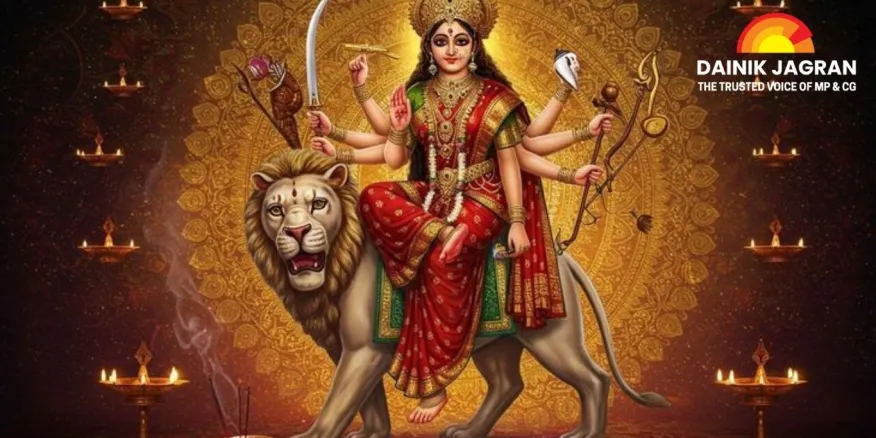
Janaki Jayanti 2026: When is Sita Jayanti? Date, Time, and Puja Vidhi
- Understand the significance of Janaki Jayanti in Hindu culture.
- Learn the exact date and time for Sita Jayanti celebrations in 2026.
- Explore the detailed puja vidhi for honoring Goddess Sita.
- Discover how to incorporate traditional practices into modern celebrations.
Janaki Jayanti, also known as Sita Jayanti, is a significant festival celebrated by Hindus to honor the birth of Goddess Sita, the consort of Lord Rama. This festival is observed with great reverence and devotion, particularly in the northern regions of India.
The festival not only celebrates the divine feminine but also emphasizes the values of virtue, devotion, and sacrifice that Goddess Sita embodies. Understanding the date, time, and rituals associated with Sita Jayanti can enhance your celebration and connection with this auspicious occasion.
Continue Reading
Significance of Janaki Jayanti
Janaki Jayanti holds immense significance in Hindu mythology as it marks the birth of Sita, who is revered as an incarnation of Goddess Lakshmi. Her life story, as depicted in the epic Ramayana, symbolizes the ideals of womanhood, loyalty, and strength. Celebrating this festival not only honors her legacy but also serves as a reminder of the importance of dharma (righteousness) in our lives.
Date and Time of Sita Jayanti 2026
In 2026, Janaki Jayanti will be celebrated on January 6. The auspicious time for performing the rituals is during the Muhurta, which is typically determined by the lunar calendar. Devotees are encouraged to perform the puja during the early morning hours, ideally between 6:00 AM and 8:00 AM, to align with the spiritual significance of the day.
Puja Vidhi for Janaki Jayanti
The puja vidhi for Janaki Jayanti involves several steps that are traditionally followed to ensure a successful and meaningful celebration. Here is a detailed guide:
- Preparation: Clean the puja area and set up an altar with images or idols of Goddess Sita and Lord Rama.
- Offerings: Prepare a variety of offerings, including fresh fruits, sweets, and flowers. It is customary to include panchamrit (a mixture of milk, yogurt, ghee, honey, and sugar) as part of the offerings.
- Lighting the Diya: Light an oil lamp (diya) and incense sticks to purify the space and invite positive energy.
- Recitation of Mantras: Chant specific mantras dedicated to Goddess Sita, such as the ‘Sita Ashtakshara Mantra’ and ‘Sita Stuti,’ to invoke her blessings.
- Performing Aarti: After the prayers, perform the aarti (a ritual of worship) while singing devotional songs.
- Distribution of Prasad: Conclude the puja by distributing the prasad (blessed food) among family members and guests.
Modern Celebrations
In contemporary times, Janaki Jayanti is celebrated not only in homes but also in community gatherings and temples. Many devotees participate in cultural programs that include dance, music, and recitations from the Ramayana, fostering a sense of community and shared devotion.
To incorporate traditional practices into modern celebrations, consider organizing events that educate participants about the significance of Sita’s virtues and her role in the Ramayana. Workshops, storytelling sessions, and group prayers can enhance the spiritual experience and strengthen community bonds.
Conclusion
Janaki Jayanti is a profound occasion that allows devotees to reflect on the values embodied by Goddess Sita. By understanding the date, time, and puja vidhi, individuals can enhance their celebrations and foster a deeper connection with this revered deity.
Frequently Asked Questions
Janaki Jayanti celebrates the birth of Goddess Sita, symbolizing virtue, devotion, and strength, as depicted in the Ramayana.
Sita Jayanti will be celebrated on January 6, 2026, with rituals typically performed in the early morning hours.
The key rituals include setting up an altar, making offerings, reciting mantras, performing aarti, and distributing prasad.
Note: Provide a strategic conclusion reinforcing long-term business impact and keyword relevance.