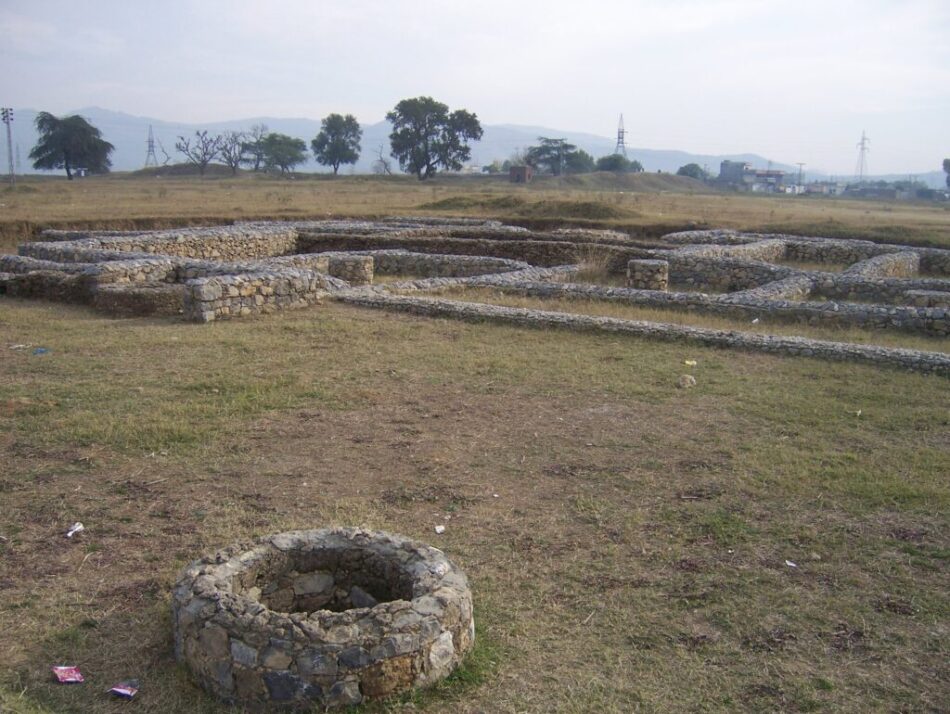
Preserving Jain Archaeological Heritage in Tamil Nadu
- Government initiatives are underway to protect Jain archaeological sites across Tamil Nadu.
- Collaboration with the Tamil Nadu State Archaeology Department is crucial for effective preservation.
- Public awareness and community involvement are essential for the protection of these historical sites.
The rich tapestry of Jain history in Tamil Nadu is woven through numerous archaeological sites scattered across 37 districts. Recent discussions emphasize the urgent need for protection and preservation of these invaluable remnants of Jain culture.
As the Tamil Nadu government expresses its commitment to safeguarding these sites, it becomes imperative for stakeholders, including local communities and historians, to engage actively in this preservation effort. Protecting these archaeological traces not only honors the cultural heritage but also enhances tourism and education in the region.
Continue Reading
Overview of Jain Archaeological Sites in Tamil Nadu
Jainism has a significant historical presence in Tamil Nadu, with archaeological traces identified in 37 out of 38 districts, encompassing around 480 sites. These sites range from ancient temples to inscriptions and caves that reflect the artistic and cultural expressions of Jain communities over centuries.
The Need for Protection
Despite their historical importance, many of these sites are neglected and face threats from urbanization, environmental factors, and lack of awareness. Pon. Rajendra Prasad Jain, a member of the Tamil Nadu State Minorities Commission, has highlighted the necessity of protecting these archaeological sites during a recent seminar on Jainism in South India.
He stated, “We have given a memorandum to the district collectors to preserve and protect the archaeological sites. The State government is also in favour of protecting the archaeological sites with the help of the Tamil Nadu State Archaeology Department.” This collaboration is vital for the systematic documentation, restoration, and conservation of these sites.
Strategies for Preservation
Government Initiatives
The Tamil Nadu government is taking steps to ensure the protection of these sites through various initiatives:
- Collaboration with the Tamil Nadu State Archaeology Department to develop preservation plans.
- Conducting surveys to assess the condition of archaeological sites and prioritize those in urgent need of attention.
- Allocating funds for restoration and maintenance of significant sites.
Community Engagement
Involving local communities is essential for the success of preservation efforts. Community engagement can take various forms:
- Organizing awareness programs to educate the public about the historical significance of Jain sites.
- Encouraging community-led initiatives for site maintenance and promotion.
- Creating volunteer opportunities for locals to participate in archaeological activities.
Educational Programs
Implementing educational programs in schools and colleges can foster a sense of pride and responsibility towards local heritage:
- Integrating Jain history and culture into the curriculum.
- Arranging field trips to archaeological sites to enhance students’ understanding.
- Collaborating with historians and archaeologists for workshops and seminars.
Challenges in Preservation
While efforts are being made, several challenges hinder the effective preservation of Jain archaeological sites:
- Limited funding and resources allocated for archaeological conservation.
- Inadequate public awareness about the significance of these sites.
- Urban development pressures leading to the encroachment of historical sites.
Addressing these challenges requires a multi-faceted approach involving government action, community participation, and increased public awareness.
Long-term Impact of Preservation
Protecting Jain archaeological sites in Tamil Nadu will have far-reaching benefits:
- Enhancing cultural tourism, which can boost local economies.
- Providing educational opportunities that foster a deeper understanding of Jain heritage.
- Contributing to the preservation of biodiversity by maintaining the ecological balance around these sites.
Conclusion
In conclusion, the preservation of Jain archaeological traces in Tamil Nadu is not just a cultural obligation but a necessity for future generations. With government support and community involvement, these historical sites can be safeguarded, ensuring that the rich legacy of Jainism continues to inspire and educate.
Note: Provide a strategic conclusion reinforcing long-term business impact and keyword relevance.
Frequently Asked Questions
Jain archaeological sites are important as they represent a significant part of Tamil Nadu’s cultural heritage, showcasing the history, art, and architectural advancements of Jain communities.
The Tamil Nadu government is collaborating with the State Archaeology Department to assess, restore, and maintain these sites, along with engaging local communities in preservation efforts.
The public can contribute by participating in awareness programs, volunteering for site maintenance, and advocating for the protection of these historical sites within their communities.