What Is Pongal? Here’s The Significance Behind This Tamil Harvest Festival In Malaysia
- Pongal is a four-day festival celebrating the Tamil harvest and honoring the Sun God.
- The festival includes unique rituals such as cooking sweet rice and decorating homes with kolam.
- Each day of Pongal has distinct themes, focusing on renewal, gratitude, and social connections.
- Understanding Pongal enhances appreciation for cultural diversity and community bonds in Malaysia.
Pongal is a significant Tamil festival celebrated primarily in Malaysia, marking the harvest season and honoring the Sun God. This four-day celebration is rich in tradition and cultural practices, making it a vibrant event for the Tamil community.
The festival not only highlights agricultural abundance but also emphasizes themes of gratitude, renewal, and social bonding. As we delve into the significance of Pongal, we uncover the deep-rooted customs and the joy it brings to families and communities.
Continue Reading
The Meaning of Pongal
The term ‘Pongal’ originates from the Tamil verb pongu, which translates to “to boil over” or “overflow.” While many associate Pongal with a delicious rice dish, the festival encompasses a broader significance. It marks the beginning of the Tamil month of Thai and coincides with the Sun’s northward journey, known as Uttarayana, which lasts for six months.
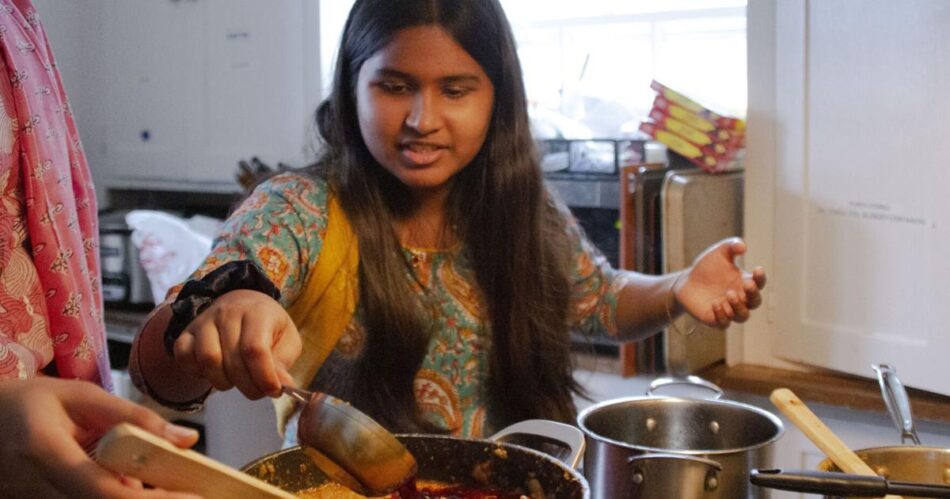
Even for those who are not directly involved in agriculture, Pongal serves as a time for giving thanks, welcoming new beginnings, and praying for prosperity in the upcoming year. The festival’s most iconic ritual occurs on the second day, known as Thai Pongal, when families prepare a sweet rice dish called sarkarai pongal outdoors, often facing the sun. The act of milk overflowing from the pot symbolizes abundance and prosperity.
The Four Days of Pongal
Pongal is not a single-day event; each day carries its own unique significance:
- Day 1: Bhoghi Pongal – This day is dedicated to renewal, where old belongings are discarded to make way for new ones. In some communities, bonfires are lit to symbolize this cleansing process.
- Day 2: Surya Pongal – The main celebration, dedicated to the Sun God, where families cook the sweet Pongal and express gratitude for life and the harvest.
- Day 3: Mattu Pongal – A day to honor cattle, which historically played a crucial role in farming. Cows and bulls are bathed, adorned with garlands, and treated with special foods.
- Day 4: Kaanum Pongal – Known as the social day, families visit each other, share meals, and unmarried women traditionally offer Pongal at temples, praying for good marriages.
Cultural Practices and Symbolism
The celebration of Pongal is visually stunning, particularly through the use of kolam, intricate patterns made from rice flour displayed at the entrances of homes. These designs serve not only as decoration but also as a means to feed small birds and insects, promoting kindness to all living beings.
Inside the home, the Pongal feast is equally symbolic. Families typically prepare two versions of the dish:
- Sakkarai Pongal – The sweet version made with jaggery, ghee, cashews, and raisins.
- Venn Pongal – The savory version flavored with black pepper, cumin, and ginger.
Together, these dishes and the kolam reflect themes of abundance, generosity, and gratitude towards nature and loved ones.
The Community Aspect of Pongal
Pongal is not just a family celebration; it is a community event that strengthens bonds among neighbors and friends. Families often invite each other over to share meals and participate in rituals, fostering a sense of unity and belonging. This communal aspect is vital, especially in multicultural Malaysia, where such festivals promote cultural understanding and appreciation.
Conclusion
Pongal is a festival that encapsulates the essence of Tamil culture, celebrating the harvest, honoring nature, and reinforcing community ties. As this vibrant festival continues to thrive in Malaysia, it serves as a reminder of the importance of gratitude and togetherness in our lives.
Note: Provide a strategic conclusion reinforcing long-term business impact and keyword relevance.
Frequently Asked Questions
Pongal signifies the harvest season and is a time to express gratitude for the Sun’s energy and agricultural abundance.
Pongal is celebrated over four days with rituals that include cooking sweet rice, honoring cattle, and community gatherings.
The traditional dishes include Sakkarai Pongal (sweet) and Venn Pongal (savory), symbolizing abundance and gratitude.